How to Use AI for Social Media Content Creation
The Content Demands of Modern Social Media
Social media managers face an unrelenting content treadmill. Instagram, TikTok, LinkedIn, Twitter, and Facebook each require multiple posts per week, and each platform has its own format requirements, audience expectations, and algorithmic preferences. Creating unique content for five platforms at a consistent cadence is a full-time job, and most social media managers are also responsible for community management, analytics, and strategy. AI tools reduce the production burden by handling the repetitive parts of content creation: generating captions, resizing images, scheduling posts, and analyzing performance data.
The most effective approach is to create a single piece of core content and then use AI tools to adapt it for each platform. A blog post becomes a LinkedIn article, a Twitter thread, an Instagram carousel, and a TikTok script. This "create once, adapt many" workflow is only practical with AI assistance because manual adaptation for five platforms takes too long to be sustainable.
AI Tools for Text-Based Content
ChatGPT remains the most versatile tool for generating social media copy. The key is writing platform-specific prompts. For LinkedIn, ask for a professional tone with a personal story or insight. For Twitter, request concise, punchy statements under 280 characters. For Instagram, ask for engaging captions with a call to action and relevant hashtags. Here is a prompt template that works well: "Rewrite the following content for [platform]. Target audience: [description]. Tone: [description]. Include [specific elements like hashtags, emojis, or a CTA]. Keep it under [character limit]."

Jasper offers dedicated social media templates that are pre-configured for different platforms. Its "Instagram Caption Generator" and "LinkedIn Post Generator" produce platform-appropriate copy without requiring detailed prompts. Jasper also includes a brand voice feature that ensures consistency across all your social media content, which is important for maintaining a cohesive brand identity.
Ocoya is a specialized social media AI tool that combines content generation with scheduling and analytics. It generates captions, suggests hashtags, creates image variations, and schedules posts across multiple platforms from a single dashboard. Ocoya's AI analyzes your past performance data to suggest the best posting times and content types for each platform. Plans start at $19 per month.
AI Tools for Visual Content
Canva's Magic Studio is the most practical AI tool for social media visuals. Magic Resize automatically adjusts a design to fit different platform dimensions. Magic Design generates complete social media graphics from a text description. Magic Edit lets you modify specific elements of an image by describing what you want to change. These features are integrated into Canva's existing editor, so you can combine AI-generated elements with manual design work.
Predis.ai generates complete social media posts including images, captions, and hashtags from a single text prompt. It supports Instagram, LinkedIn, Twitter, Pinterest, and Facebook. Predis also offers a competitor analysis feature that identifies content themes and posting patterns from accounts in your niche. The Pro plan at $20 per month includes 50 AI-generated posts per month.
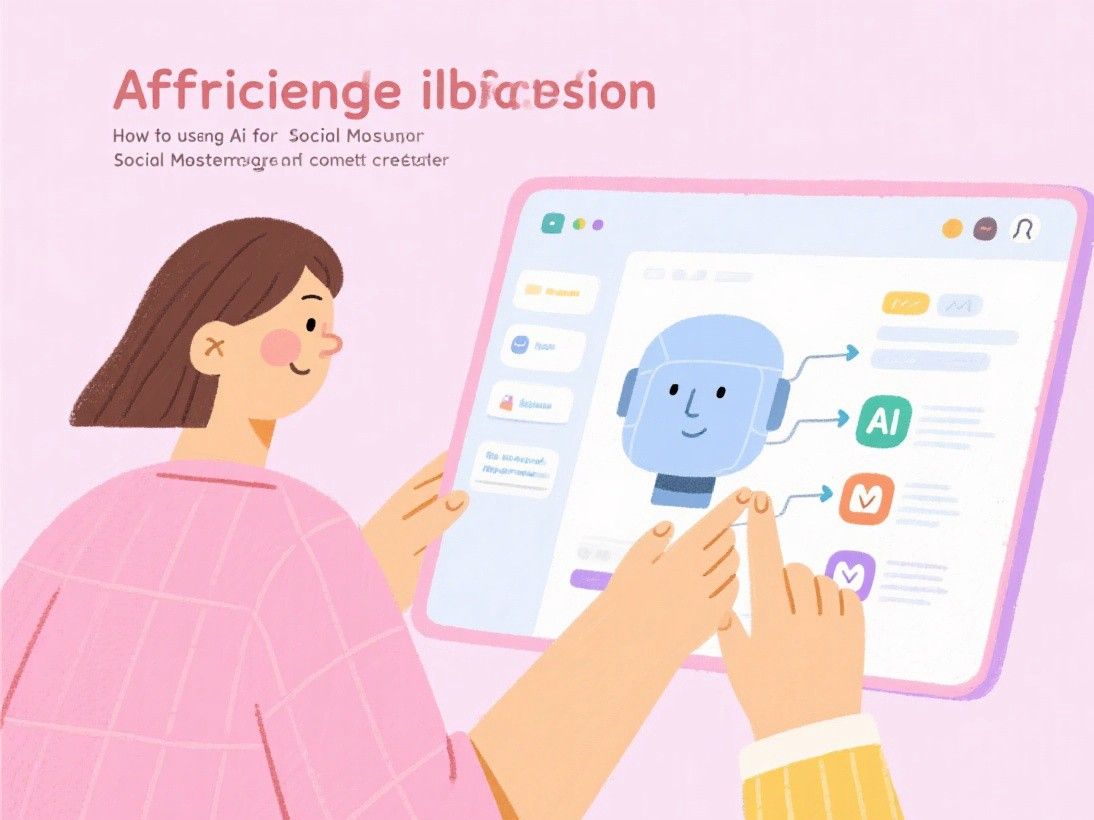
AdCreative.ai focuses specifically on ad creatives for social media advertising. It generates ad images and copy optimized for click-through rate based on analysis of millions of high-performing ads. This is particularly useful for e-commerce businesses that need to produce large volumes of ad creatives for A/B testing. Pricing starts at $29 per month for 10 ad creatives.
AI for Video Content: TikTok and Reels
Short-form video is the fastest-growing content format on social media, and AI tools are making it accessible to creators who lack video editing skills. CapCut includes AI features like auto-captions, background removal, and template-based editing that make it easy to produce polished short videos. Its AI-powered "AutoCut" feature analyzes your footage and selects the best clips, adds transitions, and syncs them to music.
Opus Clip (covered in our video editing tools article) is specifically designed for converting long-form video into short clips optimized for TikTok and Instagram Reels. It identifies the most engaging moments, adds captions, and adjusts the aspect ratio. For podcasters and webinar hosts, this tool turns a single recording into weeks of social media content.
InVideo AI generates complete short videos from a text prompt. You describe the video you want, and InVideo AI creates a script, selects stock footage, adds voiceover, and applies transitions. The output is not going to win any creative awards, but it is sufficient for informational content and product showcases. The Plus plan at $25 per month includes 50 minutes of AI-generated video per month.
AI-Powered Scheduling and Analytics
Creating content is only half the battle. Posting it at the right time and analyzing performance is equally important. Buffer and Hootsuite both now include AI features that analyze your posting history and audience engagement patterns to recommend optimal posting schedules. Buffer's AI Assistant generates post ideas based on trending topics in your niche, while Hootsuite's AI analyzes sentiment in your comments and mentions to help you understand audience perception.
Later offers a visual content calendar with AI-powered best time to post recommendations for each platform. Its "Linkin.bio" feature turns your Instagram profile into a clickable landing page, and its analytics dashboard tracks engagement metrics across all connected platforms. Later's Starter plan at $18 per month supports one social set (one account per platform) with 30 posts per month.

Building a Sustainable AI-Powered Content System
The most successful social media managers use AI tools within a structured system rather than relying on them ad hoc. A practical system looks like this: spend Monday generating a week's worth of content using AI tools, Tuesday through Thursday schedule and publish posts, and Friday analyze performance and adjust next week's strategy. This rhythm ensures consistent output without requiring daily content creation sessions. Over time, the AI tools learn from your performance data and produce increasingly effective content, creating a positive feedback loop that compounds your social media results.