Best Tools for Creating Responsive Email Designs

Thumbnail A/B Testing and Analytics
YouTube allows you to upload up to three thumbnail options for each video and run an A/B test through YouTube Studio. After uploading your video, go to YouTube Studio > Content, click on the video, and select "Custom Thumbnail." Upload your options and YouTube will show different thumbnails to different viewers over a 48-hour period. After the test, YouTube reports which thumbnail generated the highest CTR, and you can select the winner as the permanent thumbnail.
For channels that upload frequently, thumbnail A/B testing provides data-driven insights into what visual styles resonate with your audience. Over time, patterns emerge: your audience may prefer thumbnails with faces, thumbnails with bold text, thumbnails with bright colors, or thumbnails showing the end result of a tutorial. Use these insights to refine your thumbnail design process and consistently produce high-CTR thumbnails.
Third-party tools like TubeBuddy and VidIQ provide additional thumbnail analytics. These browser extensions show the CTR of your thumbnails over time, compare your CTR to the channel average, and suggest improvements based on data from similar channels. TubeBuddy's A/B testing feature allows longer test periods than YouTube's built-in test, which produces more statistically significant results. Both tools offer free tiers with basic analytics and paid tiers with advanced features.
Why Thumbnails Are the Most Important Element of Your Video
YouTube's algorithm considers click-through rate (CTR) as a major ranking factor. If your thumbnail generates a high CTR (above 5% for most niches), YouTube promotes your video to more viewers. If your CTR is low, YouTube stops showing the video regardless of its content quality. The thumbnail and title work together as a two-part headline: the thumbnail captures attention, and the title provides context. Both must be compelling, but the thumbnail is seen first and has a fraction of a second to stop a viewer's scroll.
Thumbnail Specifications and Technical Requirements
YouTube thumbnails must be 1280 x 720 pixels (16:9 aspect ratio) with a minimum width of 640 pixels. The file format should be JPG, PNG, or GIF (for animated thumbnails, which are available to YouTube Partners). The file size should be under 2MB. YouTube displays thumbnails at different sizes depending on the device: large on desktop (approximately 640px wide), medium on tablets, and small on mobile (approximately 168px wide). Your thumbnail must be readable and compelling at all three sizes.
Canva: The Easiest YouTube Thumbnail Creator
Canva provides YouTube thumbnail templates that are pre-sized at 1280 x 720 pixels. Search "YouTube thumbnail" in the template gallery and you will find templates organized by category: gaming, vlog, tutorial, review, reaction, and educational. Each template includes placeholder areas for a background image, a face or subject, and text overlay.
The most effective thumbnail templates follow a consistent structure: a close-up face or subject on one side (typically the right third), a bold text overlay on the other side (typically the left third), and a contrasting background that makes both elements pop. This structure works because the human eye is drawn to faces first, then to text. Placing the face on the right follows the natural reading direction (left to right) in most languages.
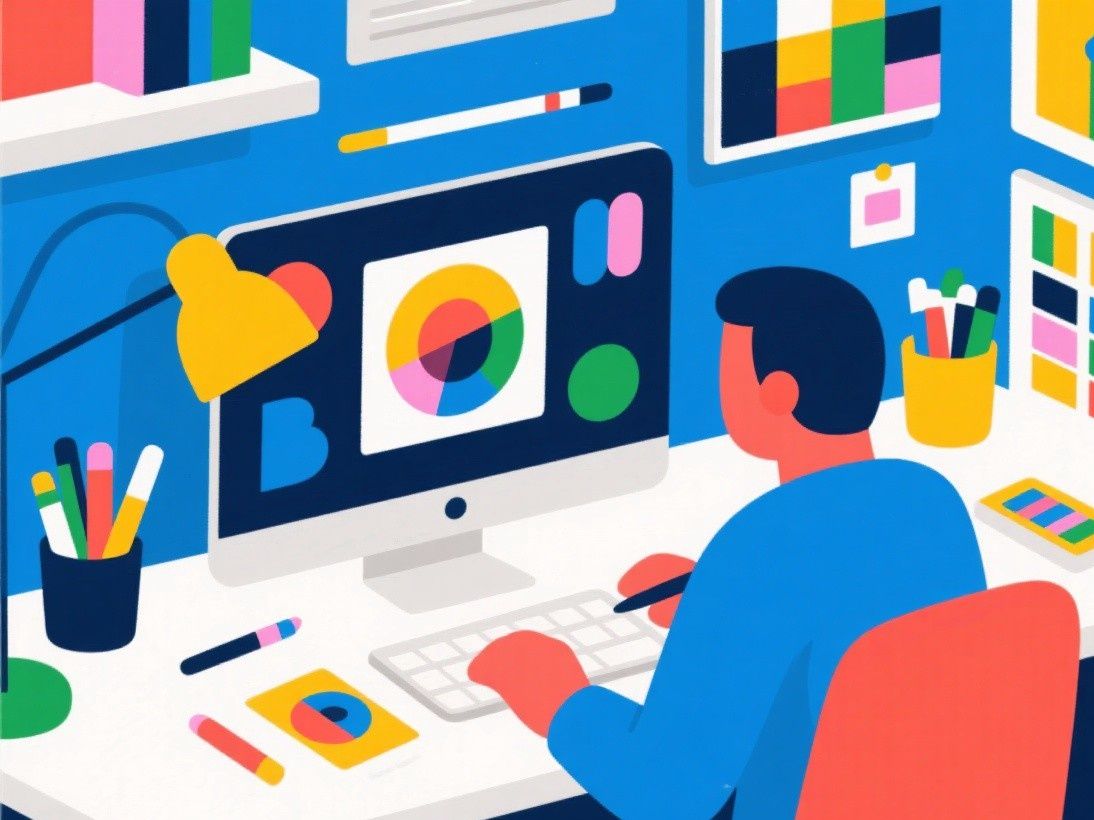
When customizing a template, replace the background image with a high-quality, relevant photo. If your video is a tutorial, show the end result or the most impressive moment. If it is a vlog, show the most expressive or surprising moment. Avoid generic stock photos—they do not generate curiosity. The background should communicate what the video is about at a glance.
Adobe Express: Professional Thumbnail Design
Adobe Express offers YouTube thumbnail templates with access to Adobe Stock photos and Adobe Fonts. The advantage over Canva is the quality of stock imagery and the font selection. For thumbnails that need a specific photographic style (dramatic lighting, professional product shots, cinematic scenes), Adobe Stock provides better options than Canva's free stock library.
Adobe Express also includes a "Remove Background" quick action, which is useful for extracting a subject from a photo and placing it on a custom background. This technique is common in high-performing thumbnails: a cutout of the creator's face or a product placed on a bold colored background with text overlay. The cutout creates visual separation between the subject and the background, making the thumbnail easier to read at small sizes.
Photopea: Photoshop-Level Control for Free
Photopea (photopea.com) is a browser-based image editor with Photoshop-level capabilities. For thumbnails that require advanced compositing—combining multiple images, adding dramatic lighting effects, creating custom text effects—Photopea provides the tools without the Photoshop subscription cost.
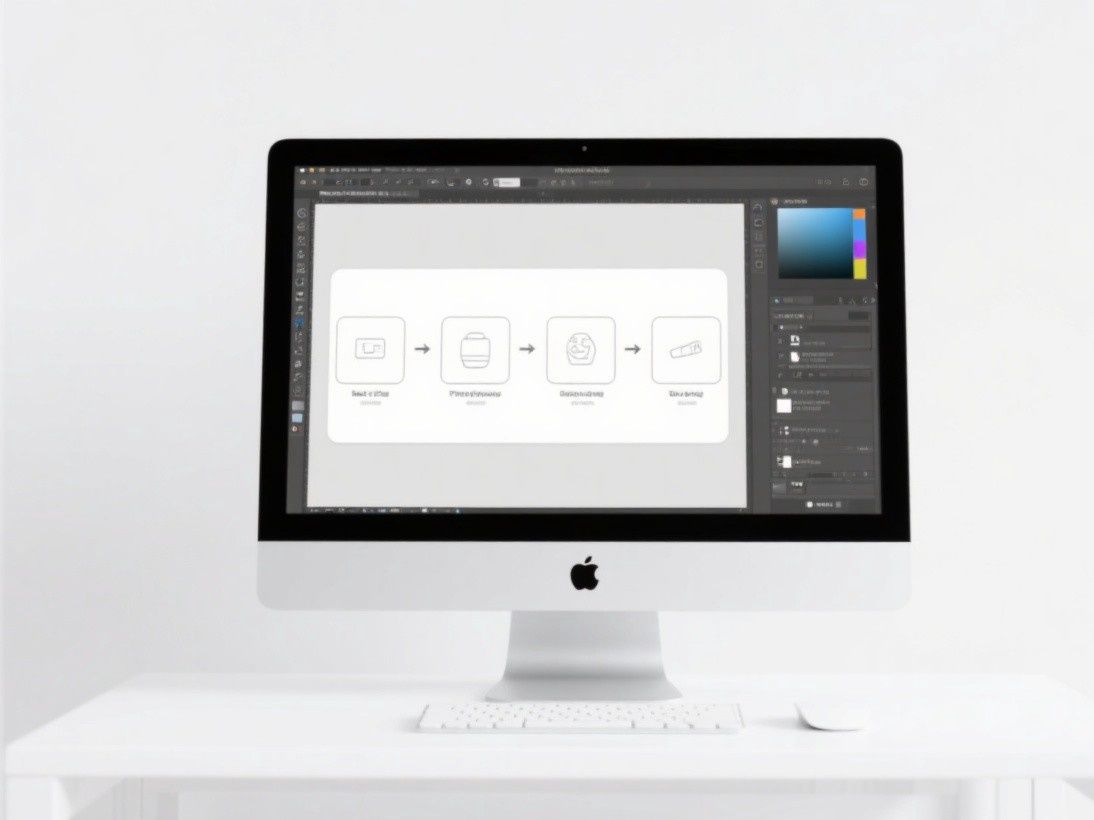
A common thumbnail technique in Photopea: open your base photo, use "Select > Subject" to automatically select the person or product, copy the selection to a new layer, and place it on a solid color or gradient background. Add a text layer with a bold, high-contrast font (Impact, Bebas Neue, or Anton work well for thumbnails). Apply a drop shadow to the text (Layer > Layer Style > Drop Shadow) to make it readable against any background. Add a subtle vignette (Filter > Distort > Lens Correction > Vignette) to draw the viewer's eye toward the center.
Thumbnail Design Principles That Drive Clicks
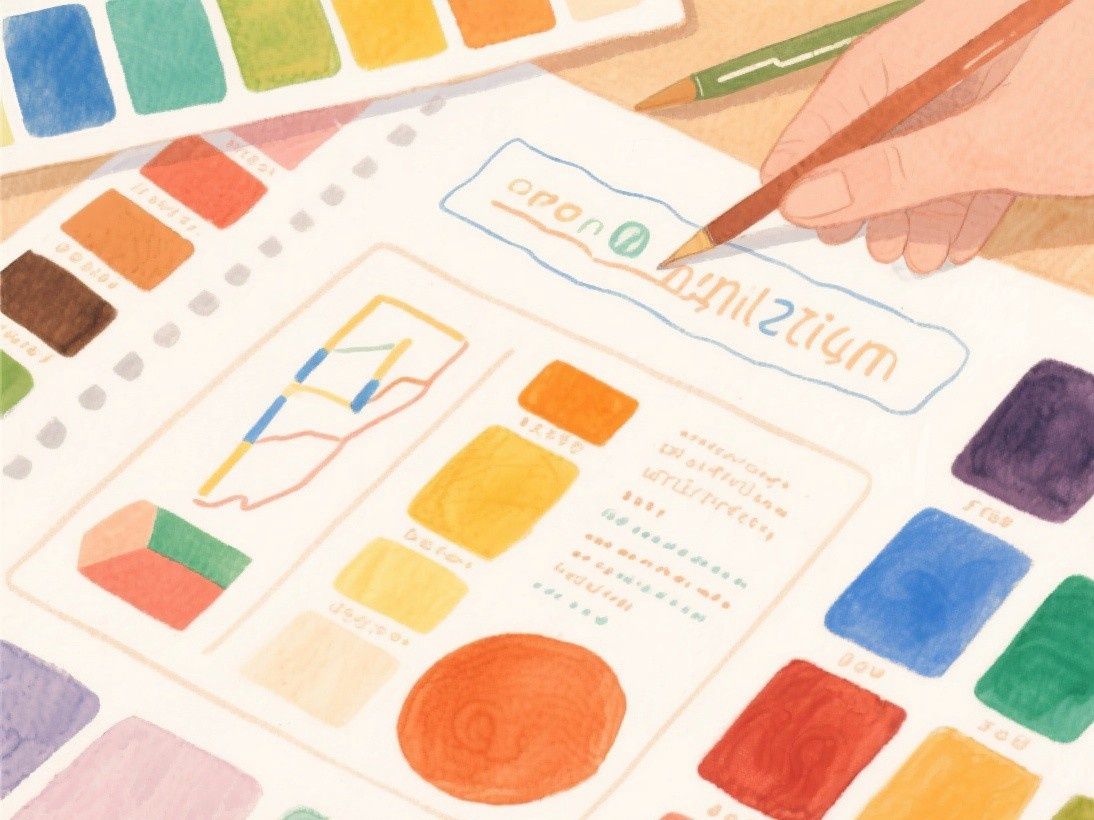
Use maximum three words of text on your thumbnail. More text becomes unreadable at mobile sizes. The text should complement the title, not repeat it. If your title is "I Tried the World's Most Expensive Steak," your thumbnail text might say "$1,000 STEAK" or a surprised expression—something that adds information or emotion without duplicating the title.
Create emotional contrast. Thumbnails that show a clear emotion—surprise, confusion, excitement, disgust—generate higher CTRs than neutral expressions. If you appear in your thumbnails, exaggerate your expression slightly beyond what feels natural. On a small mobile screen, subtle expressions are invisible. A raised eyebrow, wide eyes, or an open mouth communicates clearly at any size.
Use bright, saturated colors. YouTube's interface is predominantly white and gray. Thumbnails with bold colors—red, yellow, bright blue, green—stand out against this neutral background. Avoid muted or desaturated color palettes for thumbnails. If your video's subject matter is naturally muted (architecture, finance, literature), add a colored border or overlay to inject vibrancy.
Test your thumbnail at actual display size. Open your finished thumbnail on your phone and view it alongside other YouTube thumbnails in the search results or recommended feed. Does it stand out? Is the text readable? Does it communicate what the video is about? If it does not pass this test, it will not perform well regardless of how good it looks at full size.